
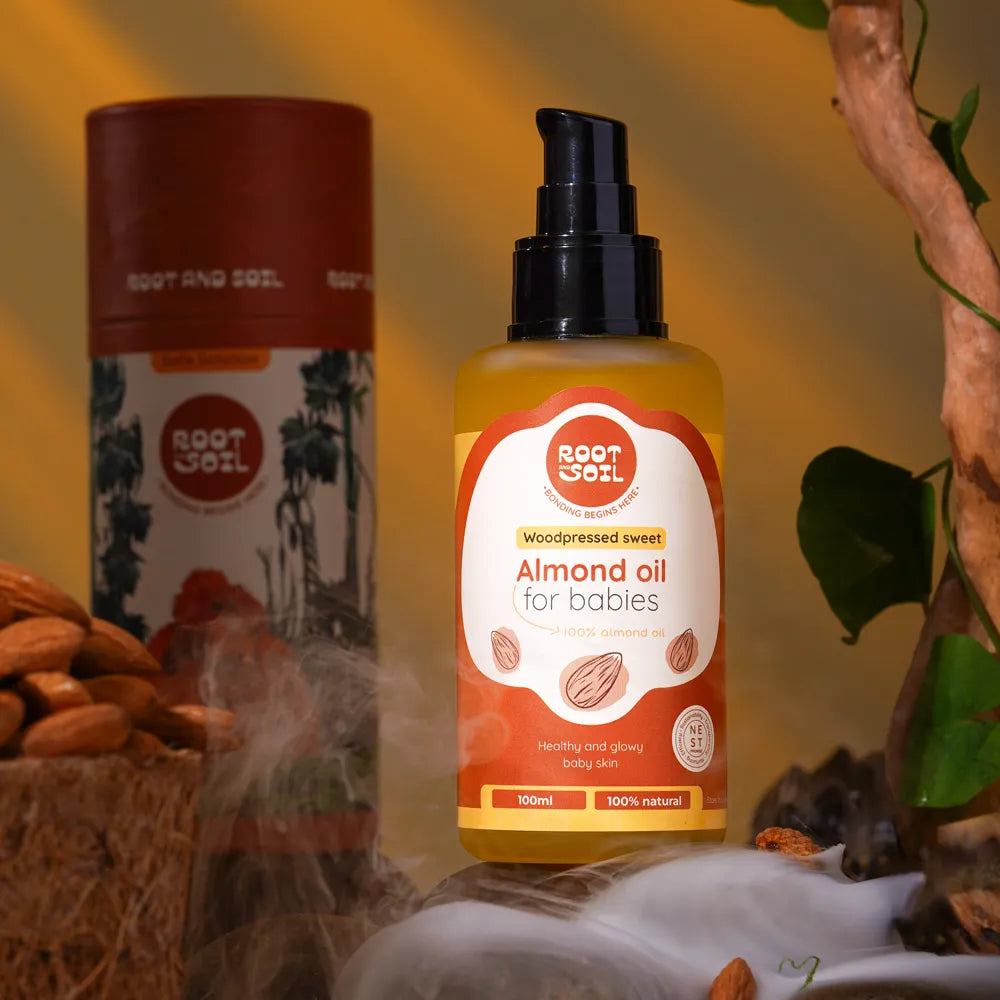




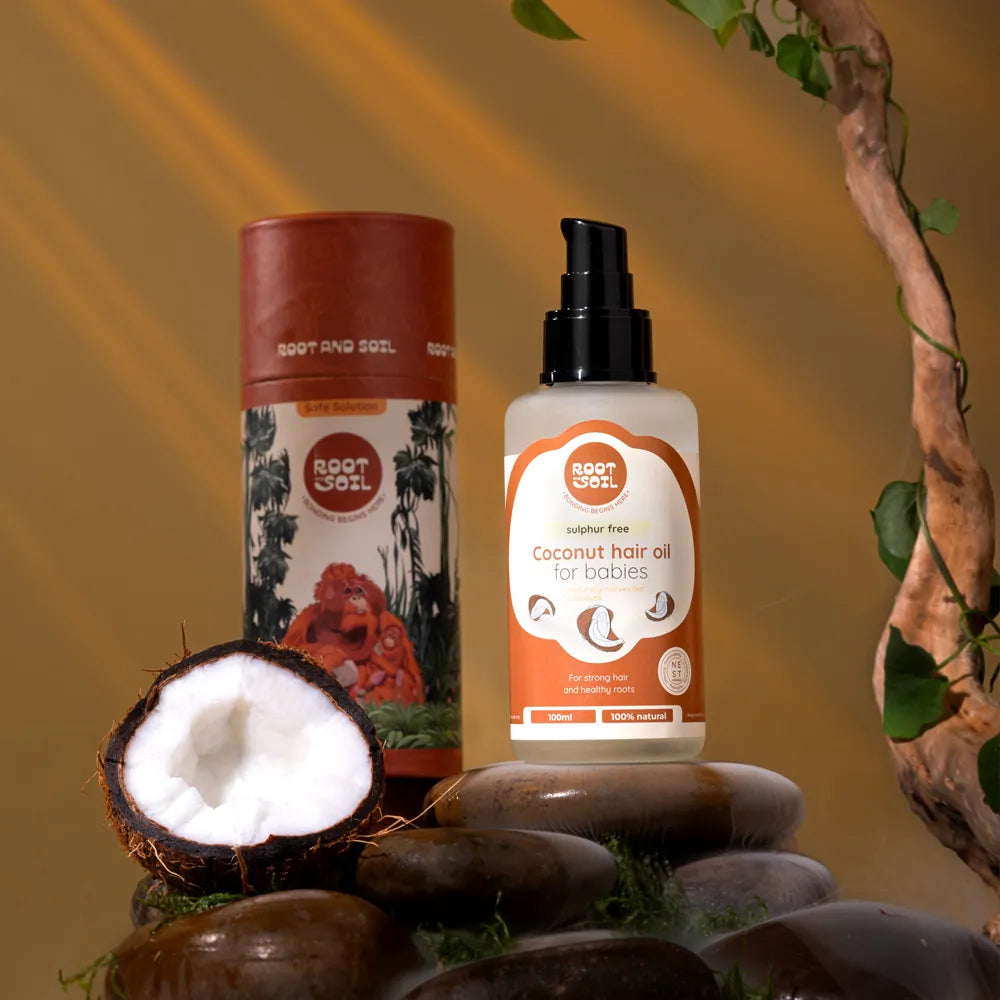


Why Baby massage Oil Helps Dry Skin ?
A gentle, science-backed explanation for parents
Dry skin is one of the most common concerns parents notice in their baby—flaky scalp, rough patches, or skin that feels tight even after bathing. While creams and lotions are often the first choice, baby oil has quietly remained a trusted solution across generations.
But why does baby oil actually help dry skin—especially in babies?
Let’s understand this gently, from your baby’s skin point of view.
Understanding Baby Skin First

A baby’s skin is not just smaller adult skin. It works very differently.
Here’s what makes baby skin unique:
-
Thinner skin barrier
Baby skin is delicate and more permeable than adult skin. -
Immature oil glands
Babies don’t produce enough natural oils to protect their skin yet. -
Higher water loss
Moisture escapes faster from baby skin, leading to dryness.
Because of this, baby skin loses hydration easily—even without harsh soaps or visible irritation.
So dryness isn’t a “skin problem.”
It’s simply skin asking for support.
Is Dry Skin About Moisture or Something Else?
In our understanding, baby dry skin is mainly about lack of moisture.
When moisture escapes faster than the skin can retain it, dryness shows up as:
-
Flakiness
-
Rough patches
-
Tight or dull-looking skin
-
Mild cradle cap on the scalp
This is where baby massage oil plays an important role.
What Baby Massage Oil Really Does for Dry Skin
There’s a common belief that oil “hydrates” skin.
In reality, oil helps skin hold onto hydration.
Baby oil works by:
-
Supporting the skin barrier
-
Slowing down moisture loss
-
Keeping the skin soft and supple for longer
When used consistently, oil helps baby skin stay comfortable, smooth, and protected.
Why Coconut Oil Works Especially Well for Babies
Cold-pressed, single-ingredient coconut oil is one of the most trusted oils for baby care.
From experience, coconut oil helps with:
-
Cradle cap on the scalp
-
Flakiness caused by dryness
-
Rough patches on arms, legs, and cheeks
A light, pure, cold-pressed coconut oil absorbs well without feeling heavy and supports hydration gently—without overwhelming baby skin.
When Does Baby Massage Oil Work Best?

In our opinion, daily massage is when baby oil shows its best results
Why daily massage helps:
-
Improves circulation
-
Helps oil spread evenly
-
Allows better absorption
-
Creates a calming routine for baby
Baby oil doesn’t need to be complicated. Used alone, with consistency, it does its job beautifully.
The Power of Rotational Massage
How you apply oil matters as much as what you apply.
We strongly believe in gentle rotational massage:
-
Small circular motions
-
Light pressure
-
Moving slowly across the skin
This technique helps the oil sink in better and supports the skin’s natural rhythm—especially helpful for dry or flaky areas.
Cradle Cap, Flakiness & Scalp Care
Dry scalp and cradle cap are very common in babies.
A light coconut oil massage:
-
Softens flakes
-
Reduces visible dryness
-
Supports scalp hydration
Gentle massage followed by regular cleansing helps loosen flakes naturally—without force.
Is Baby Massage Oil Sticky? Let’s Clear the Myth
One common myth is that all oils are sticky.
The truth is:
-
Stickiness depends on how heavy the oil is
-
Pure, cold-pressed oils are often lighter
-
Over-application causes residue—not oil itself
Choosing the right oil and using the right amount makes all the difference.
A Gentle Note on Safety
Before introducing any new oil:
-
Always do a patch test
-
Observe for 24 hours
-
Watch how your baby’s skin responds
Every baby is different, and listening to their skin is key.
Final Thought: Choosing the Right Massage Oil
Baby oil isn’t about trends or shortcuts.
It’s about understanding what baby skin truly needs.
When you:
-
Understand baby skin
-
Choose a light, pure oil
-
Massage gently and consistently
You’re not just treating dryness—you’re supporting your baby’s skin naturally.
Choose the right oil.
Use it with care.
And let your baby’s skin do the rest.
How to Use Baby Massage Oil for Dry Skin
A simple, calming routine
Coconut milk oil works best when it’s used gently and consistently—not excessively.
1. Start on clean skin
After bath, gently pat your baby’s skin dry, leaving it slightly damp.
2. Apply a small amount
Warm a few drops of oil between your palms and spread lightly.
3. Massage slowly
Use soft, circular (rotational) movements and let the oil absorb naturally.
That’s all your baby’s skin needs—simple care, done well.
Root and Soil Coconut Milk Oil: What Makes It Different?
Not all coconut oils are made the same—and for baby skin, that difference matters.
At Root and Soil, we focus on keeping things as close to nature as possible, while ensuring purity and consistency.
How Root and Soil Coconut Milk Oil is Made
Our coconut oil follows a careful, minimal process:
-
Fresh coconuts are selected, not dried copra
-
Coconut milk is slow-extracted from fresh coconut flesh
-
The milk is then gently processed to separate pure oil
-
No high heat, no chemical refining, no shortcuts
This method helps retain the oil’s natural properties—just as it exists in the coconut.
Why This Process Matters for Baby Skin
Because the oil is derived from fresh coconut milk, it tends to be:
-
Lighter in texture
-
Easier to absorb
-
Closer to its natural state
For baby skin, this means support without heaviness or overload.
Root and Soil vs Ordinary Coconut Oil
Here’s a simple way to understand the difference:
Root and Soil Coconut Milk Oil
-
Made from fresh coconut milk
-
Minimally processed
-
No refining or additives
-
Lightweight and quick-absorbing
-
Designed keeping baby skin in mind
Ordinary Coconut Oil (Common Market Types)
-
Often made from dried coconut (copra)
-
May undergo heat processing or refining
-
Can feel heavier or more greasy
-
Quality and purity may vary
A Note on Authenticity
We believe baby care should be simple and transparent.
That’s why:
-
We use single-ingredient formulations
-
We avoid unnecessary processing
-
We focus on consistency and traceability
No blends. No added fragrances. No dilution.
Just what baby skin truly needs.
FAQ: Baby Oil & Dry Skin
1. Can I use baby oil every day?
Yes. Daily use helps support the skin barrier and reduce moisture loss, especially in dry weather.
2. Should baby oil be used before or after bath?
Baby oil works best after bath, on clean and slightly damp skin.
3. Does baby oil hydrate the skin?
Oil doesn’t add water to the skin. It helps lock in moisture and prevent dryness.
4. Is coconut oil safe for babies?
Pure, cold-pressed coconut oil is widely used for babies and supports dry skin, flakiness, and mild cradle cap.
5. Can baby oil help with cradle cap?
Yes. Gentle oil massage helps soften flakes and support scalp hydration. Always cleanse gently afterward.
6. Will baby oil make skin sticky?
Not if the oil is light and used in the right amount. Stickiness usually comes from over-application.
7. Can I layer oil with cream or lotion?
Baby oil works well on its own. Layering isn’t necessary unless advised by your paediatrician.
8. Should I patch test baby oil?
Yes. Always do a patch test and observe for 24 hours before regular use.
Why Your Baby Smells Different Every Week
The Quiet Recovery: Why Healing After Birth Isn’t Just Physical
Related Posts

10 Baby Care Tips During Monsoon Season

Difference Between Cradle Cap, Dry Scalp, Patchy Scalp, and Dandruff in Babies.

5 Reasons Your Baby’s Skin Looks Dry & Dull

A newborn Guide for the First Few Months

How to choose baby Skincare products in India ?

The Old Man of the Forest Has Something to Teach Us About Raising a Child

The Story of Root and Soil








3 Comments
mfgnyequenoutkzdfnpmehqpnxumgf
sms2vv
rolvujvteesmfosskrkotkoywiflxw