




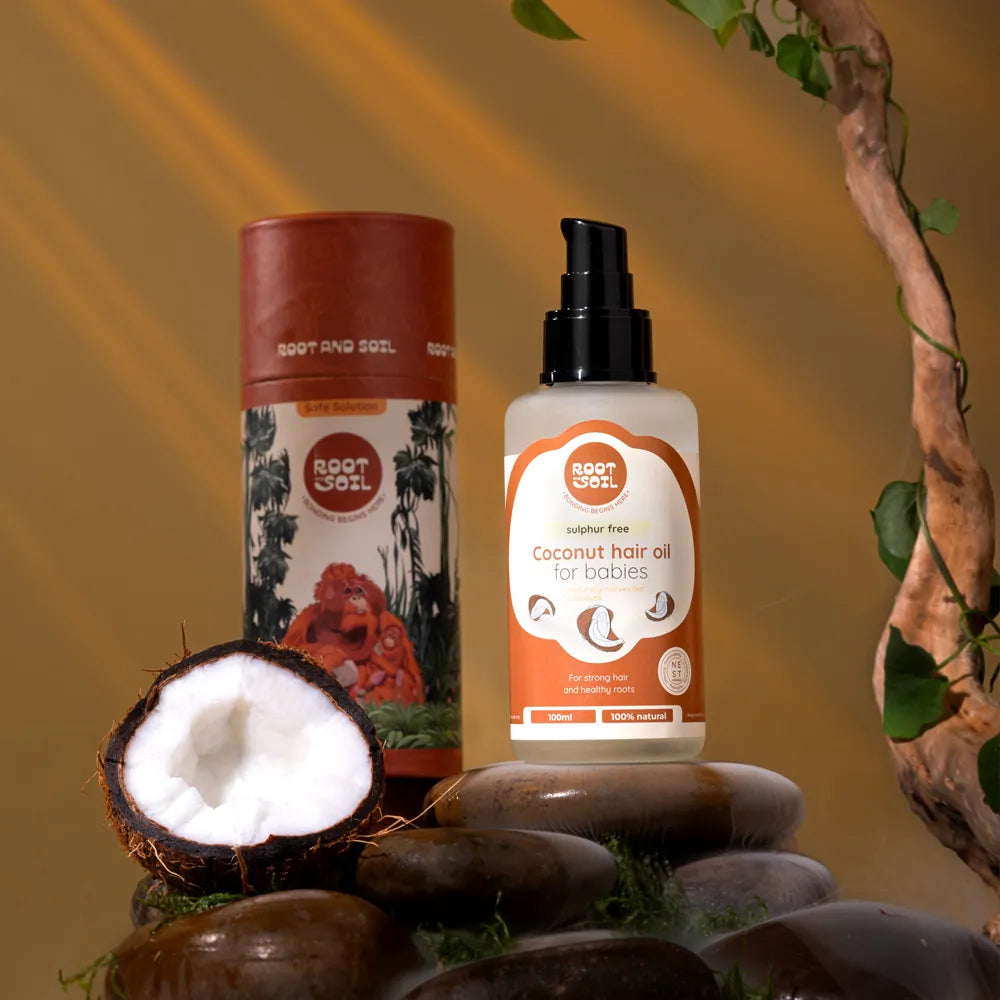


How to choose baby Skincare products in India ?
As parents, we always want the best for our little ones — especially when it comes to their delicate skin. A baby’s skin is much softer and more sensitive than an adult’s, which means choosing the right skincare products matters a lot.But with so many labels claiming “natural,” “safe,” or “organic,” it can feel confusing to know what’s actually good for your baby. Some ingredients may irritate sensitive skin, while others can even get absorbed into the body.Here’s a simple guide to help you choose safer baby skincare products and understand what to avoid.
Choosing Safe Products for Your BabyBefore starting any new skincare product, it’s always a good idea to speak with your baby’s pediatrician, especially if your child has sensitive skin, rashes, or allergies.
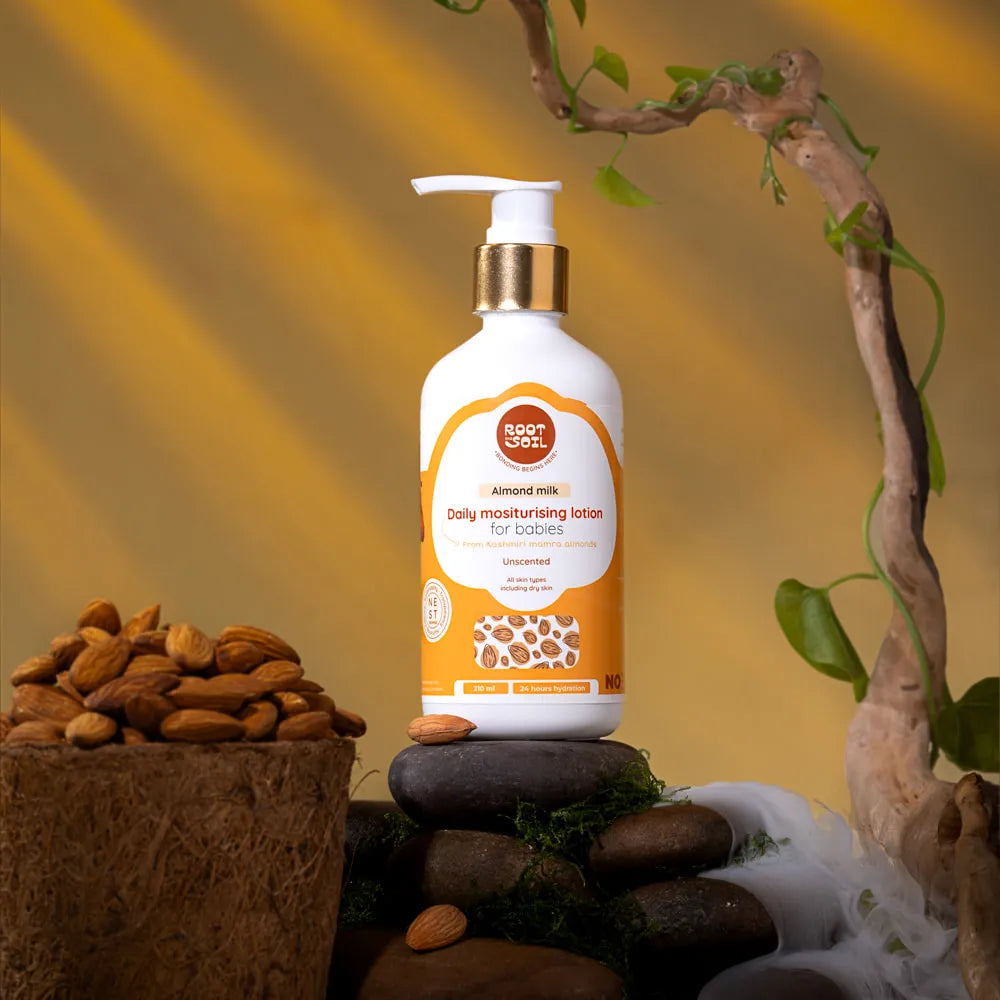
MoisturizersNot every baby needs a moisturizer daily. Sometimes dry patches clear up naturally on their own.If your baby’s skin feels dry, ointments like petroleum jelly can help lock in moisture very effectively. They are also budget-friendly. However, some parents may not like the greasy texture. In that case, moisturizing creams are usually a better choice than lotions, since lotions may need to be applied more often.
SunscreenBabies under 6 months should generally be kept away from direct sunlight instead of using sunscreen.For babies older than 6 months, choose mineral-based sunscreens containing ingredients like zinc oxide or titanium dioxide. These sit on top of the skin and help block harmful UV rays while being suitable for sensitive skin.
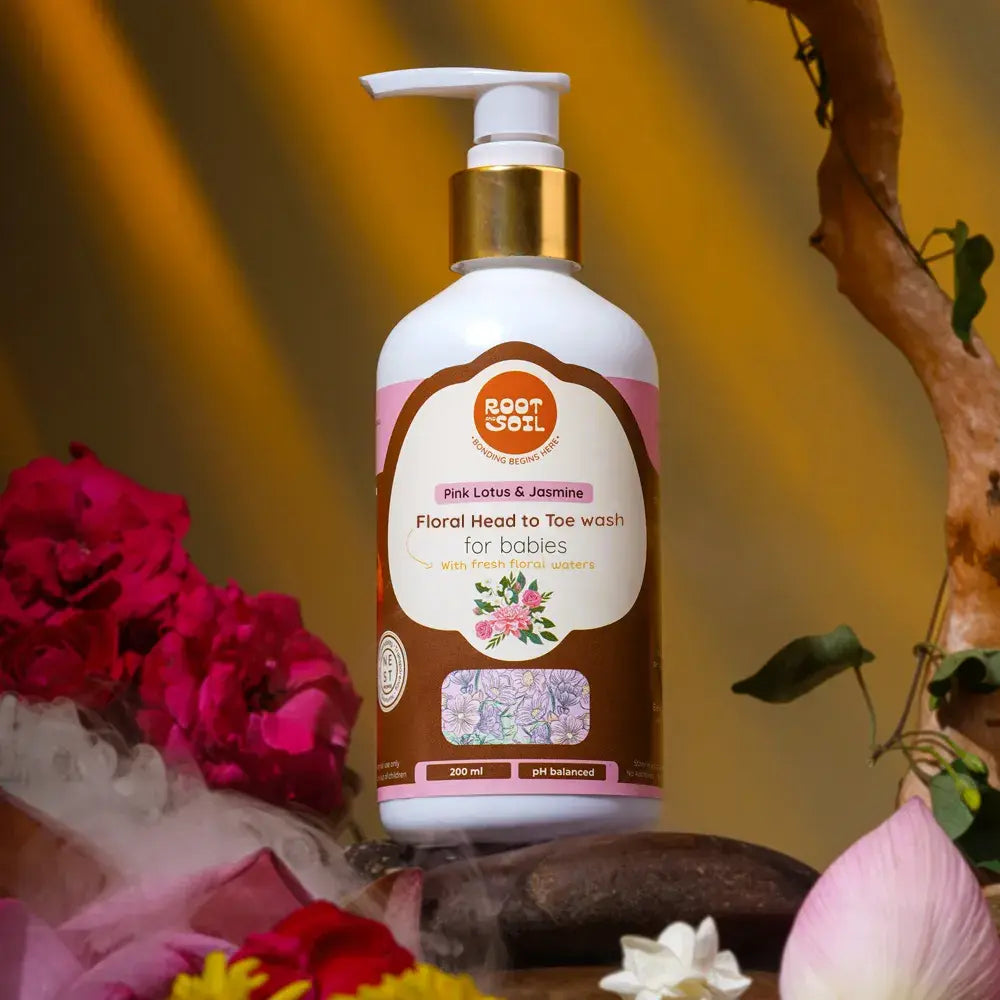
Bath ProductsDuring bath time, use a mild cleanser with a balanced or neutral PH. Avoid products with strong fragrances or alcohol, as they may dry out or irritate your baby’s skin.
Understanding Baby Product LabelsMany baby products use terms like:
- Hypoallergenic
- Natural
- Safe
- Organic
These labels sound reassuring, but they don’t always guarantee the product is completely safe or irritation-free.While the FDA regulates skincare products, companies don’t need approval before selling them. Because of this, some products marketed for sensitive skin may still contain ingredients that can irritate babies.Instead of trusting front-label claims alone, checking the ingredient list is the safest approach.
Ingredients Better Avoided in Baby Products
 Every baby’s skin is different, but some ingredients are more likely to cause irritation or sensitivity.FragrancesFragrances are one of the most common causes of skin irritation in babies. Even products made for babies often contain perfumes or scent blends.If your baby has sensitive skin, try avoiding products with ingredients listed as:
Ingredients Better Avoided in Baby Products
Every baby’s skin is different, but some ingredients are more likely to cause irritation or sensitivity.FragrancesFragrances are one of the most common causes of skin irritation in babies. Even products made for babies often contain perfumes or scent blends.If your baby has sensitive skin, try avoiding products with ingredients listed as:
- Fragrance
- Perfume
- Parfum
- Aroma
- Essential oil blend
Synthetic DyesArtificial colors are added mainly to make products look attractive, but they aren’t necessary for skincare and may irritate sensitive skin.
ParabensParabens are preservatives used in shampoos, soaps, and lotions to increase shelf life. They can sometimes irritate the skin and are easily absorbed into the body, so many parents prefer to avoid them.
PhthalatesPhthalates are chemicals used in some cosmetic products and fragrances. While research is still ongoing, some studies suggest they may affect development and hormones over time.
Formaldehyde-Releasing PreservativesSome baby wipes, soaps, and liquid products contain preservatives that release formaldehyde to prevent bacterial growth. These may trigger irritation or allergies in sensitive children.
Propylene GlycolThis ingredient is commonly used in moisturizers and sunscreens to keep skin soft, but it may cause irritation or allergic reactions in some babies.
SulfatesSulfates are cleansing agents often found in shampoos and body washes. They create foam but can sometimes leave the skin dry or itchy.
Common sulfates include:
ParabensParabens are preservatives used in shampoos, soaps, and lotions to increase shelf life. They can sometimes irritate the skin and are easily absorbed into the body, so many parents prefer to avoid them.
PhthalatesPhthalates are chemicals used in some cosmetic products and fragrances. While research is still ongoing, some studies suggest they may affect development and hormones over time.
Formaldehyde-Releasing PreservativesSome baby wipes, soaps, and liquid products contain preservatives that release formaldehyde to prevent bacterial growth. These may trigger irritation or allergies in sensitive children.
Propylene GlycolThis ingredient is commonly used in moisturizers and sunscreens to keep skin soft, but it may cause irritation or allergic reactions in some babies.
SulfatesSulfates are cleansing agents often found in shampoos and body washes. They create foam but can sometimes leave the skin dry or itchy.
Common sulfates include:
- Sodium Lauryl Sulfate (SLS)
- Sodium Laureth Sulfate (SLES)
If your baby’s skin feels dry or irritated after bathing, switching to a sulfate-free cleanser may help.
Chemical SunscreensChemical sunscreens absorb UV rays into the skin, while mineral sunscreens create a protective layer on top of the skin.Some chemical sunscreen ingredients may get absorbed into the body, which is why many parents prefer mineral sunscreens for babies.Ingredients many parents choose to avoid include:• Oxybenzone• Octinoxate• Avobenzone• Homosalate• Octisalate
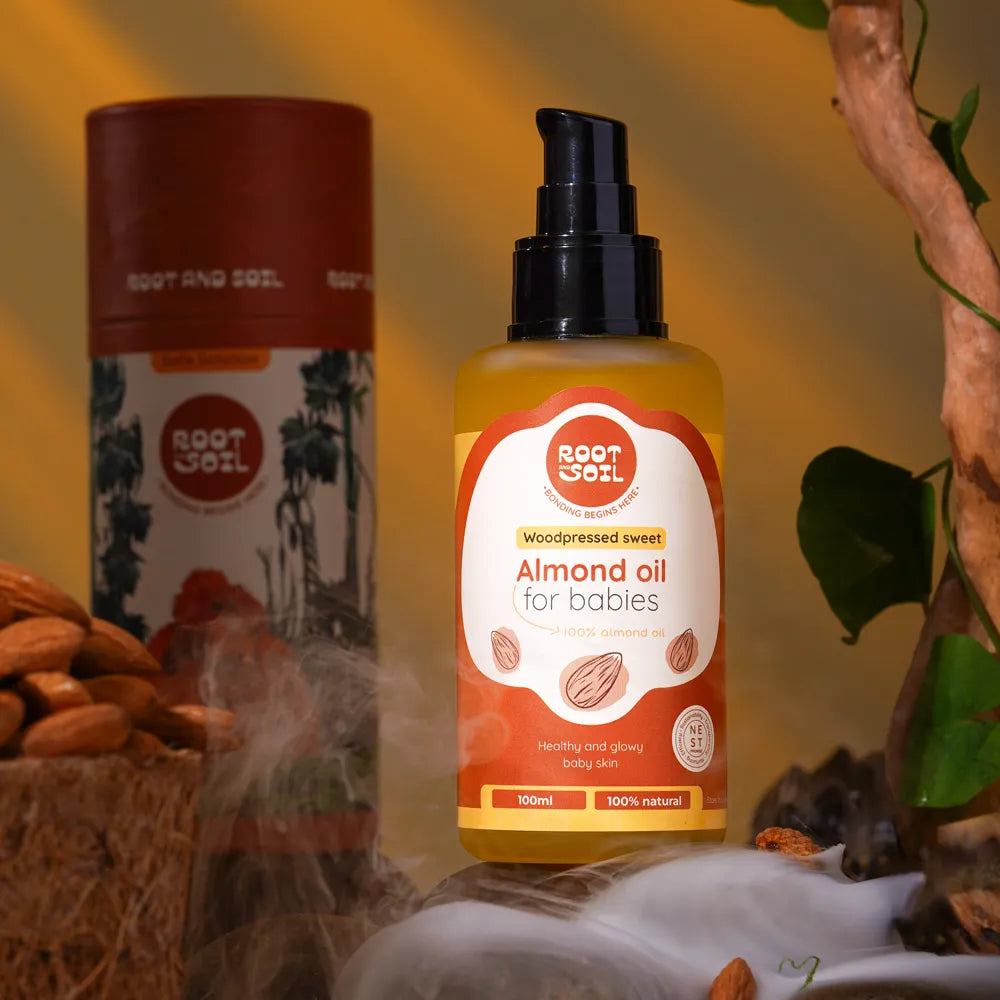
At Root and Soil, we believe baby care starts with being thoughtful about every ingredient and every process behind a product. That’s why we focus on carefully selected ingredients, traditional preparation methods, and formulations created for real everyday routines.
While many products today rely on heavy processing, artificial fragrances, and long ingredient lists, our approach is intentionally simpler. Our oils are made in small batches using traditional wood-pressed methods to help retain the ingredient’s original richness and texture.
From sourcing ingredients like Kashmiri Mamra almonds to using glass bottles that help maintain freshness and product quality, every detail is chosen with purpose. Instead of creating complicated routines with too many products, we focus on making baby care feel clear, practical, and easy for modern parents to follow consistently.
Final ThoughtsChoosing baby skincare products can feel overwhelming, but keeping things simple often works best.Focus on products with safe ingredients, minimal fragrance, and fewer unnecessary additives. Rather than relying only on marketing terms like “organic” or “natural,” take a quick look at the ingredient list before buying.And most importantly, if your baby develops redness, dryness, itching, or rashes, consult your pediatrician or dermatologist for guidance.Your baby’s skin doesn’t need dozens of products — just safe, simple care and lots of love.
FAQ1. What makes Root and Soil different from other baby brands?We focus on traditional methods, purposeful ingredients, and simple everyday baby care routines.
2. Why does Root and Soil use wood-pressed oils?Wood-pressed extraction is a slower process that helps retain the ingredient’s original qualities.
3. Why are Root and Soil oils packed in glass bottles?Glass bottles help maintain freshness and preserve product quality better over time.
Chemical SunscreensChemical sunscreens absorb UV rays into the skin, while mineral sunscreens create a protective layer on top of the skin.Some chemical sunscreen ingredients may get absorbed into the body, which is why many parents prefer mineral sunscreens for babies.Ingredients many parents choose to avoid include:• Oxybenzone• Octinoxate• Avobenzone• Homosalate• Octisalate
At Root and Soil, we believe baby care starts with being thoughtful about every ingredient and every process behind a product. That’s why we focus on carefully selected ingredients, traditional preparation methods, and formulations created for real everyday routines.
While many products today rely on heavy processing, artificial fragrances, and long ingredient lists, our approach is intentionally simpler. Our oils are made in small batches using traditional wood-pressed methods to help retain the ingredient’s original richness and texture.
From sourcing ingredients like Kashmiri Mamra almonds to using glass bottles that help maintain freshness and product quality, every detail is chosen with purpose. Instead of creating complicated routines with too many products, we focus on making baby care feel clear, practical, and easy for modern parents to follow consistently.
Final ThoughtsChoosing baby skincare products can feel overwhelming, but keeping things simple often works best.Focus on products with safe ingredients, minimal fragrance, and fewer unnecessary additives. Rather than relying only on marketing terms like “organic” or “natural,” take a quick look at the ingredient list before buying.And most importantly, if your baby develops redness, dryness, itching, or rashes, consult your pediatrician or dermatologist for guidance.Your baby’s skin doesn’t need dozens of products — just safe, simple care and lots of love.
FAQ1. What makes Root and Soil different from other baby brands?We focus on traditional methods, purposeful ingredients, and simple everyday baby care routines.
2. Why does Root and Soil use wood-pressed oils?Wood-pressed extraction is a slower process that helps retain the ingredient’s original qualities.
3. Why are Root and Soil oils packed in glass bottles?Glass bottles help maintain freshness and preserve product quality better over time.
4. Are Root and Soil products suitable for newborns?Our products are created keeping delicate baby skin and everyday newborn care routines in mind.
5. What ingredients are used in Root and Soil Almond Oil?Our Almond Oil is made using Kashmiri Mamra almonds.
6. Why is a simple baby skincare routine important?Baby skin is delicate, so consistent and minimal routines often work better than overly complicated routines.
7. How often can I use baby massage oil?Many parents include oil massage as part of their daily or pre-bath routine.
8. What should parents avoid in baby skincare products?Many parents prefer avoiding harsh additives, heavy fragrances, and unnecessary chemicals.
9. Can I use both baby oil and lotion together?Yes, oil before bath and lotion after bath can help support a balanced baby care routine.
10. What is Root and Soil’s baby care philosophy?We believe in clarity over clutter and creating products rooted in real parenting needs.
5. What ingredients are used in Root and Soil Almond Oil?Our Almond Oil is made using Kashmiri Mamra almonds.
6. Why is a simple baby skincare routine important?Baby skin is delicate, so consistent and minimal routines often work better than overly complicated routines.
7. How often can I use baby massage oil?Many parents include oil massage as part of their daily or pre-bath routine.
8. What should parents avoid in baby skincare products?Many parents prefer avoiding harsh additives, heavy fragrances, and unnecessary chemicals.
9. Can I use both baby oil and lotion together?Yes, oil before bath and lotion after bath can help support a balanced baby care routine.
10. What is Root and Soil’s baby care philosophy?We believe in clarity over clutter and creating products rooted in real parenting needs.
Previous post
The Old Man of the Forest Has Something to Teach Us About Raising a Child
Next post
A newborn Guide for the First Few Months
Related Posts

10 Baby Care Tips During Monsoon Season
Follow these 10 actionable baby care tips this rainy season:1. Prioritize Mosquito ProtectionMosquitoes thrive in stagnant water during the rains. Keep doors and windows...
Jun 26 2026

Difference Between Cradle Cap, Dry Scalp, Patchy Scalp, and Dandruff in Babies.
The Fundamental Differences1. Dry Scalp• Causes: A simple lack of moisture. It is triggered by environmental factors like dry winter air, low indoor humidity,...
Jun 15 2026

5 Reasons Your Baby’s Skin Looks Dry & Dull
1. Harsh Weather & Low Humidity Cold winds, dry indoor air, harsh summers, or constant AC exposure can quickly strip moisture from your...
Jun 12 2026

A newborn Guide for the First Few Months
Simple newborn care, time-tested routines, and thoughtful skin support for your baby’s earliest days Becoming a parent often comes with a flood of advice....
Jun 05 2026

The Old Man of the Forest Has Something to Teach Us About Raising a Child
"In the canopy of the Bornean rainforest, a mother and her young one move together without a word spoken — and in that silence,...
May 12 2026

The Story of Root and Soil
Dear New Parent,We see you.The early days of parenthood are a beautiful whirlwind—filled with love, exhaustion, doubt, and moments no one truly prepares you...
May 08 2026

India’s No 1 Sweet Almond Oil for Babies
Why Sweet Almond Oil Stands Out for Baby MassageIn the first year, a baby’s skin barrier is still developing. What you apply daily directly...
Apr 24 2026







2 Comments
9vreah
2y8hn0