






10 Baby Care Tips During Monsoon Season
Follow these 10 actionable baby care tips this rainy season:

1. Prioritize Mosquito ProtectionMosquitoes thrive in stagnant water during the rains.
- Keep doors and windows closed or securely meshed.
- Always use a mosquito net over the crib.
- Avoid harsh chemical repellents directly on infant skin.
- Use a natural, baby-safe mosquito repellent instead — Root and Soil's Mosquito Repellent is made with plant-based ingredients are enough for everyday use on little ones, so you don't have to choose between protection and safety.
2. Prevent Diaper and Heat RashesHigh humidity makes babies highly prone to diaper rash.
- Check and change wet diapers every two hours.
- Let your baby go diaper-free for a few hours daily.
- Clean the area with warm water and soft cotton.
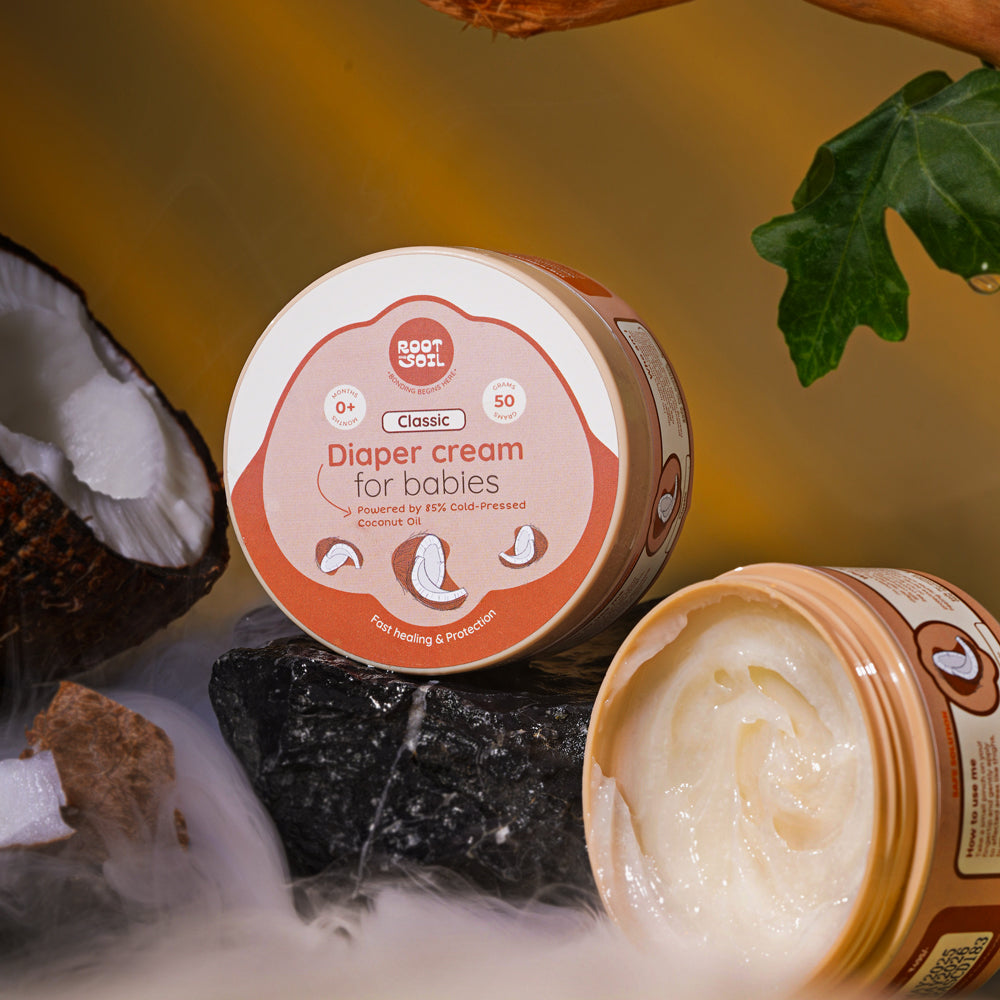
- Follow up with a light weight, soothing balm to calm any redness before it turns into a full rash. Root and Soil's diaper rash cream works well here — light enough for daily use but effective on irritated skin.
3. Ensure Clothes are Bone DryDamp clothes can harbor mold spores and bacteria.
- Never dress your baby in clothes that feel damp.
- Pass a warm iron over clothes to remove hidden moisture.
- Store baby laundry in airtight containers or cupboards.
- Keep moisture-absorbing pouches in the wardrobe, safely out of reach.
4. Regulate Room TemperatureMonsoon breezes can drastically drop ambient room temperatures.
- Keep the room comfortably warm, ideally around 24–26°C.
- Dress the baby in breathable, long-sleeved cotton clothing.
- Use the "plus-one" rule: one extra layer than you.
- Position the crib away from direct fan or AC drafts.
5. Maintain Flawless Skin HygieneSticky sweat and environmental pollutants collect quickly in humid weather.
- Give your baby a short, lukewarm bath daily.
- Keep the bath under 10 minutes to prevent dryness.
- Pat the skin dry gently using a soft muslin cloth.
- Pay special attention to neck folds, underarms, and thighs.
6. Boil Water and Sterilize FeedersContaminated water is the leading cause of monsoon stomach infections.
- Bring drinking water to a rolling boil for 10 minutes.
- Let it cool naturally in a covered, clean container.
- Sterilize all feeding bottles, nipples, and spoons thoroughly.
- Clean feeding utensils immediately after every use.
7. Keep Nails TrimmedBabies frequently put their hands directly into their mouths.
- Trim your baby's nails weekly using a dedicated clipper.
- Clip them while the baby is sleeping to avoid accidents.
- Wipe their hands regularly with a damp cotton cloth.
- Wash their hands immediately after they play with toys.
8. Continue BreastfeedingBreast milk provides crucial antibodies that boost your baby's immunity.
- Feed on demand to keep your baby well-hydrated.
- Breast milk adapts to shield babies from active seasonal pathogens.
- Nursing provides comfort during gloomy or stormy weather.
- Maintain your own hydration and hygiene while nursing.
9. Manage Indoor HumidityIndoor humidity above 60% allows dust mites and mold to multiply.
- Run an air conditioner on "dry mode" if available.
- Use a portable dehumidifier to target 40-50% humidity.
- Keep the nursery well-ventilated during dry spells.
- Check walls behind cribs regularly for dampness or mold.
10. Consult a Pediatrician for Early SymptomsA simple sniffle can escalate quickly in infants during monsoon.
- Monitor closely for fever, rapid breathing, or unusual lethargy.
- Watch for sudden refusal to feed or persistent crying.
- Never give over-the-counter cough syrups or leftover medications.
- If a cold or congestion starts to set in, a chest rub like Root and Soil's Chest Rub can help ease discomfort before things escalate — contact your doctor immediately if symptoms persist.
Root and Soil Monsoon Essentials for Your Baby
Monsoon brings its own set of challenges for little ones — stuffy noses, mosquito bites, rashes from dampness, and seasonal coughs. Here's how Root and Soil's monsoon range covers each of these, naturally:
Cold Roll-On For those stuffy, blocked little noses that come with the season's first cold. A roll-on your baby can use to ease breathing without any harsh medicated smell or sting — just dab and go, even before naptime.
Mosquito Repellent Stagnant rainwater means more mosquitoes indoors and out. This repellent is made to sit safely on your baby's skin or clothing, keeping bites away without the chemical load of regular sprays.
Diaper rash Cream Damp diapers, sweaty folds, and constant humidity are a recipe for rashes and irritation. A thin layer after bath time or diaper changes helps calm redness and keep your baby's skin comfortable through the day.
Chest Rub For the inevitable monsoon cough and congestion, a massage with the chest rub before bedtime can ease discomfort and help your baby settle into deeper sleep.Together, these four make up a simple monsoon kit — no need to juggle five different brands for five different problems.
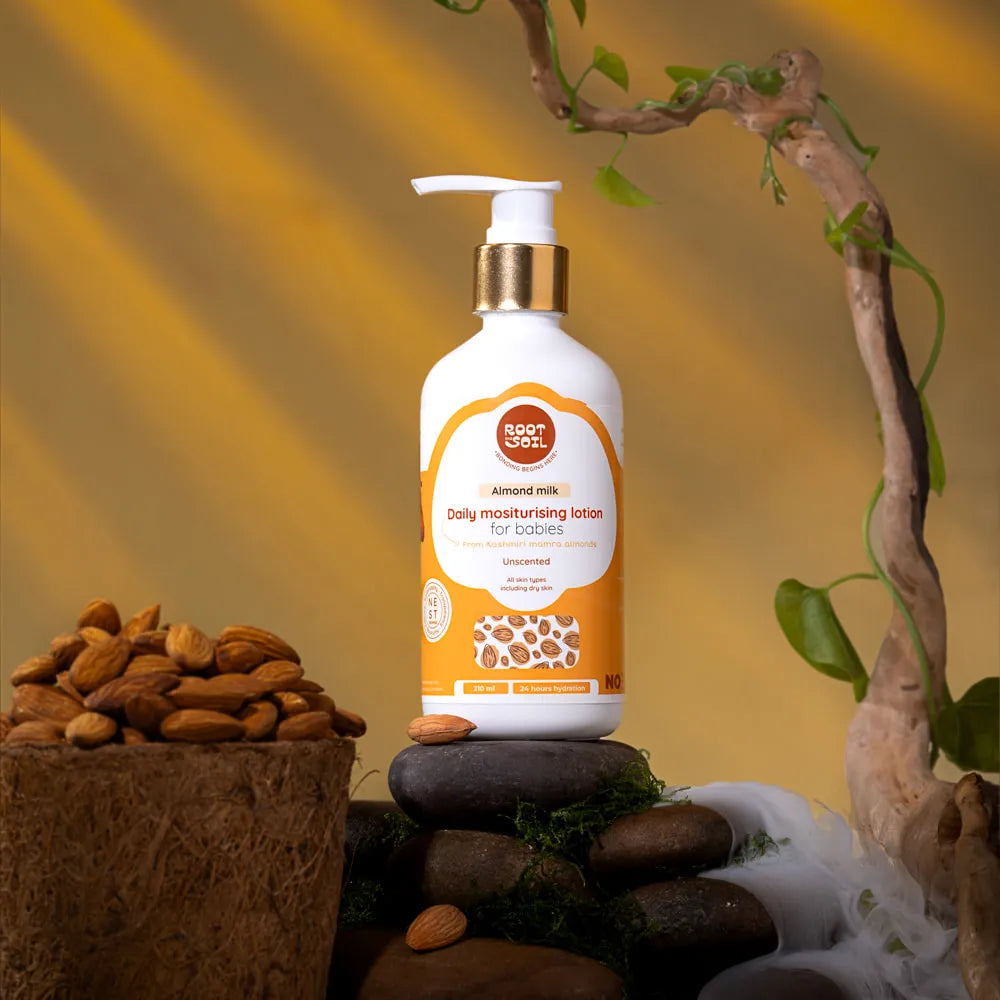
Moisturizing Lotion Monsoon humidity can be deceptive — baby skin can still become dry, rough, or lose moisture. A daily application of moisturizing lotion helps keep skin soft, nourished, and hydrated, supporting the skin barrier through changing weather conditions.
Together, these four make up a simple monsoon kit — no need to juggle five different brands for five different problems.
FAQs
1. How do I protect my baby from mosquitoes?
Use a mosquito net and a baby-safe mosquito repellent.
2. Why do babies get diaper rashes in monsoon?
Humidity and wet diapers can irritate delicate skin.
3. Can I bathe my baby daily during monsoon?
Yes, with lukewarm water and a gentle routine.
4. How often should I change diapers?
Every 2–3 hours or whenever they're wet.
5. Should baby clothes be completely dry?
Yes, always dress your baby in bone-dry clothes.
6. Is breastfeeding important during monsoon?
Yes, it supports hydration and immunity.
7. What's the ideal room temperature for babies?
Around 24–26°C is generally comfortable.
8. How can I prevent skin irritation?
Keep your baby's skin clean, dry, and moisturized.
9. When should I call a pediatrician?
If your baby has fever, breathing difficulty, or won't feed.
10. What are the must-have monsoon baby essentials?
Mosquito repellent, diaper rash cream, chest rub, cold roll-on, and moisturizing lotion.
Related Posts

Difference Between Cradle Cap, Dry Scalp, Patchy Scalp, and Dandruff in Babies.

5 Reasons Your Baby’s Skin Looks Dry & Dull

A newborn Guide for the First Few Months

How to choose baby Skincare products in India ?

The Old Man of the Forest Has Something to Teach Us About Raising a Child

The Story of Root and Soil